


What Good Distribution Practice Really Demands
Beyond certificates, GDP asks for proof in motion: validated routes, controlled access, calibrated sensors, and trained hands. Audits reveal habits, not just paperwork. Scoring corrective actions by risk, not drama, ensures energy goes where harm is greatest. When standards become practical routines, staff feel empowered to flag gaps early, and partners share evidence instead of assurances. Compliance then becomes the daily language of safety rather than an annual ritual.

Rapid Recalls, Honest Reporting, and Learning Loops
Speed matters when exposure is suspected. Clear recall trees, prewritten messages, and distribution maps reduce chaos. Honest reporting may sting today but saves credibility tomorrow. Capturing lessons in shared repositories turns isolated incidents into system upgrades. Over time, these learning loops normalize prevention, so fewer alarms ring and each one is met with practiced calm, precise roles, and swift actions that protect patients while sustaining the confidence of clinicians and caregivers.

Equity, Climate Pressure, and Ethical Choices
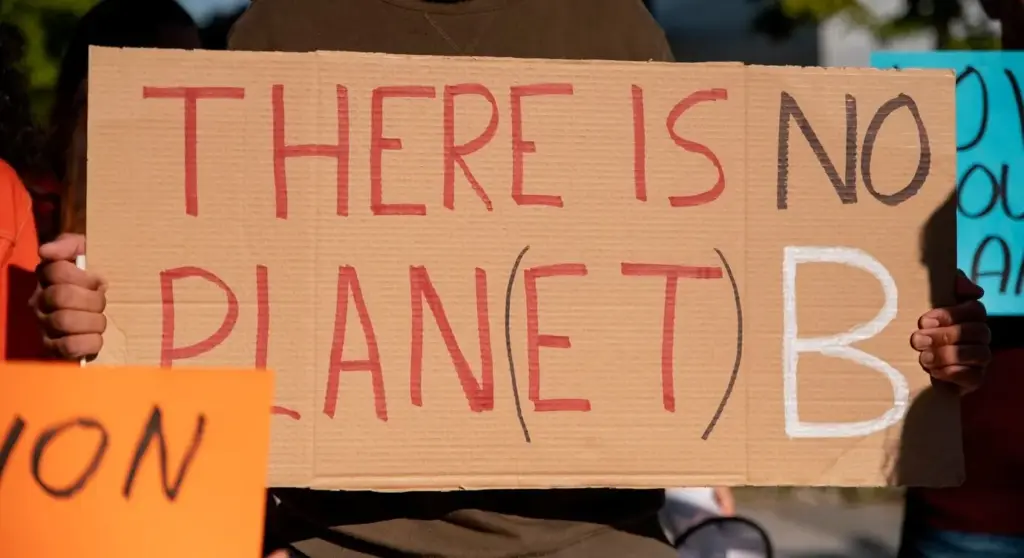
Heat waves, floods, and energy volatility magnify risk where resources are thin. Ethical procurement prioritizes robust packaging, resilient power solutions, and service contracts that reach rural clinics, not just urban hubs. Equity means budgeting for prevention in hard places, not accepting higher failure rates as inevitable. Involving communities in design ensures solutions fit local rhythms. Justice is measured by who stays protected when weather turns fierce and supply chains stretch.